
Semele Soloists
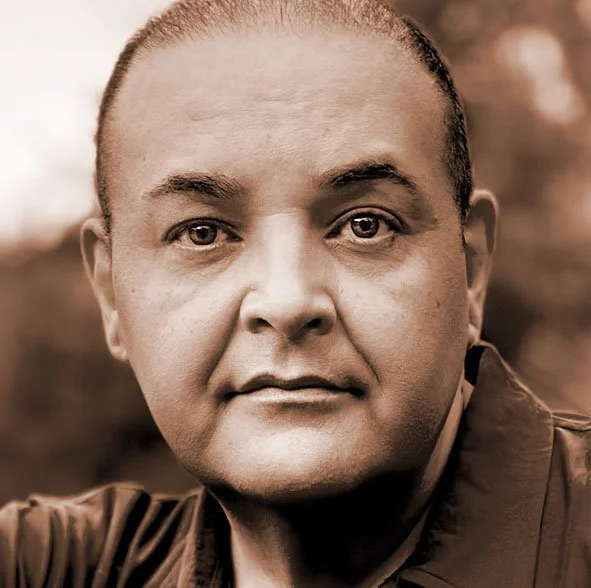
O. Neal Medina :
Cadmus, Semele’s Father &
Somnus, God of Sleep
Known for his versatility, O. Neal Medina is a singer whose roles encompass a wide variety of opera seria, opera buffo and operetta. His triumph as Zoroastro in Handel’s Orlando with Chicago Opera Theater proved to critics his command of the operatic stage.
A native of Chicago, Medina received his training from the Chicago College of Performing Arts. He was a participant in L’Accademia Verdiana in Busetto Italy where he studied with Carlo Bergonzi. He later accepted a position as a young artist at Chicago Opera Theater and was an apprentice artist for two seasons at the Santa Fe Opera where he covered many roles including Peneos (Strauss’ Daphne), Dr Bartolo (Rossini’s Il Barbiere di Siviglia), Don Profondo (Rossini’s Il viaggio a Reims), Don Alfonso (Mozart’s Cosi fan tutte), Seneca(Monteverdi’s L’incoronazione di Poppea).
Mr. Medina has also performed the roles of Dr. Bartolo (Mozart’s) Le nozze di Figaro, Snug in A Midsummer Night’s Dream, The Major General and Sergeant of Police( Gilbert & Sullivan’s The Pirates of Penzance), Leporello (Mozart’s Don Giovanni), Sarastro (Mozart’s The Magic Flute), Sparafucile (Verdi’s Rigoletto).
Mr. Medina was a first place and grand prize winner of the Bel Canto Foundation Competition, placed as a regional finalist in the Metropolitan Opera National Council Auditions and was a first place winner of the 2019 MIOpera International Vocal Competition.
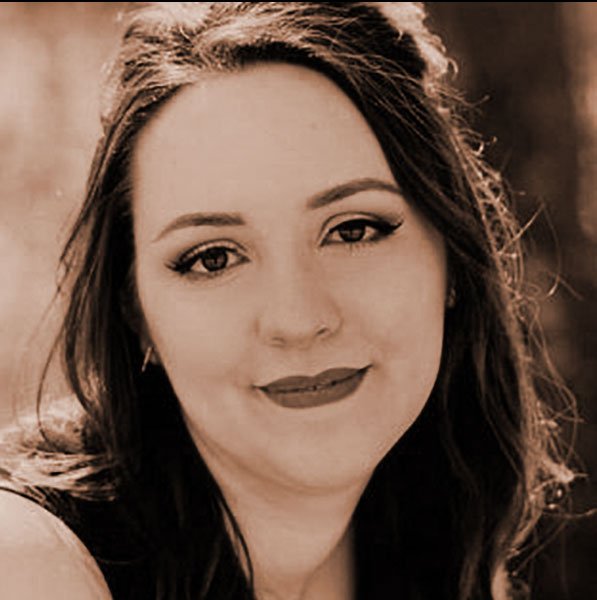
Madison King :
Semele
Soprano Madison King graduated from Pittsburg State University with a Masters in Vocal Performance (2016). Madison performs operatic and concert repertoire regularly while teaching adjunct voice at Missouri Southern State University in Joplin, MO. She also enjoys working with the students in her private voice studio, and as a music and stage director with Heartland Opera Theatre and Joplin Little Theatre. In 2025, she took on the role of General Director for Heartland Opera.
Madison has performed these roles: Josephine: HMS Pinafore, Serpina: La Serva Padrona, Adina: Elixir of Love, Despina: Cosi fan tutte, Susanna: Le nozze di figaro, Hèro: Beatrice et Benedict, Pamina: Die Zauberflöte, Violetta: La Traviata, Micaela: Carmen, Donna Anna: Don Giovanni, Lola: Gallantry, Dido: Dido and Aeneas, Giannetta, L’elisir d’amore, Mimi: La Boheme, Patience: Patience. Madison began performing opera at Pittsburg State University and continued to perform with Land of Enchantment Summer Opera, Manhattan Summer Opera Studio, Chicago Summer Opera Studio, MIOpera, Ozark Lyric Opera, Landlocked Opera, Opera Kansas, and Heartland Opera Theatre. Roles studied: Antonia: Les contes d’Hoffmann, Gilda: Rigoletto. Concert repertoire: Handel’s Messiah, Bach’s Cantata 133 Ich freue mich dir, Haydn’s Lord Nelson Mass, scenes from Rusalka, and Shakespearean Opera Scenes with the Illinois Symphony Orchestra.
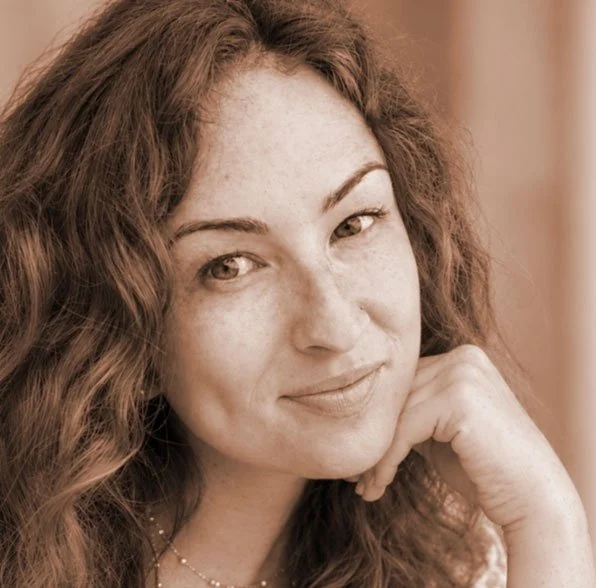
Sidney Megeff :
Juno, Queen of the Gods & Ino, sister of Semele
Sidney Megeff is a mezzo-soprano hailing from Champaign, Illinois. She performs regularly with MIOpera, having sung the roles of Rosina (The Barber of Seville) and Flora (La Traviata: The Motion Picture) during their inaugural season as a professional company.
Sidney's other MIOpera credits include Mercedes in Carmen — for which she also covered the titular role — and "piratical maid-of-all-work” Ruth in The Pirates of Penzance. She sang the roles of Second Woman and Second Witch (reimagined as one character by artistic director Tracy M. Koch) in MIOpera's production of Dido and Aeneas, featuring the Central Illinois Ballet. Sidney performed in MIOpera's recital series La Fiesta de la Pasión and I, Too, Sing America and played the Reverend Mother in the musical Nunsense. She appeared as The Mother in MIOpera's Amahl and the Night Visitors.
Sidney studies voice with Professor John M. Koch. Outside of singing, she works at Parkland College as an academic advisor.
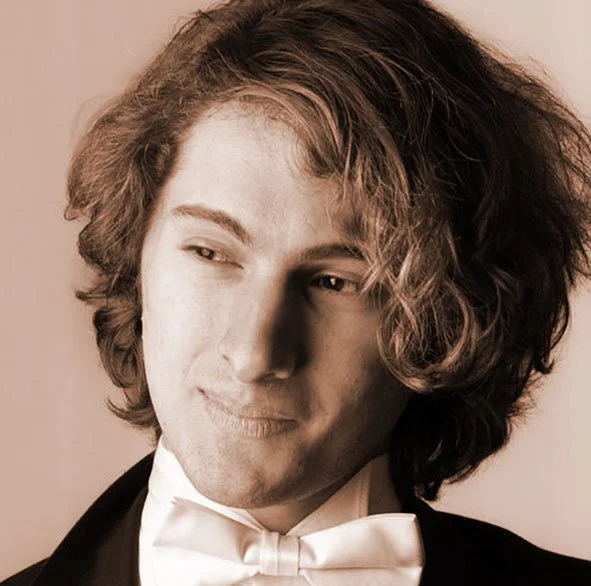
Bryce Zimmerman :
Athamas, Semele’s Fiancé
Bryce Zimmerman’s 2024–2026 seasons feature significant roles and solo debuts, including Nerone in Monteverdi's L'incoronazione di Poppea with Chicago Summer Opera and Alto Soloist in Buxtehude's Membra Jesu Nostri with Jacobs Concentus. His current season also includes Vivaldi's Gloria at Redeemer Lutheran Church in South Holland, Illinois, Handel's Messiah Sing-Along with the Urbana Bach Society, and Bach's Cantata BWV 174 with the Bloomington Bach Cantata Project. Recent highlights include Handel's Dixit Dominus with the Toronto Consort, Bach Cantatas BWV 100 and BWV 42 with the Bloomington Bach Cantata Project, Alto Soloist in Handel's Messiah with the Indiana University Symphony Orchestra, and the role of Cupid in John Blow's Venus and Adonis with the Baltimore Baroque Band. As a Vocal Fellow at the Charlotte Bach Institute, he appeared as soloist in Handel's Chandos Anthem No. 7 and Bach's BWV 18.
A graduate of the Peabody Institute of the Johns Hopkins University, where he studied with Ah Young Hong, Mr. Zimmerman subsequently pursued studies at the University of Toronto under Daniel Taylor and Jean MacPhail. He is currently completing a Master of Music in Historical Performance at the Indiana University Jacobs School of Music under the tutelage of Thomas Cooley. His artistry has been further shaped through master classes with early music luminaries Dame Emma Kirkby, Michael Chance, Lynne Dawson, Reginald Mobley, and Denyce Graves.
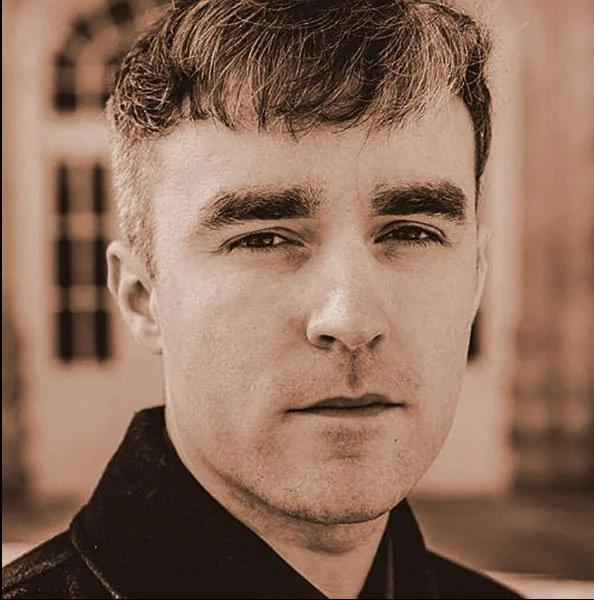
Macauley Allen :
Jupiter, King of the Gods
Tenor Macauley Allen made his MIOpera debut as Fenton in the company’s 2016 production of Verdi’s Falstaff. As a MIOpera Resident Artist, he has performed a variety of roles, including El Remendado in Bizet’s Carmen, Count Almaviva in Rossini’s Il Barbiere di Siviglia, the Duke of Mantua in Verdi’s Rigoletto, King Kaspar in Menotti’s Amahl and the Night Visitors, Rolf in Rodgers and Hammerstein’s The Sound of Music, Frederic in Gilbert and Sullivan’s The Pirates of Penzance, and Alfred in Johann Strauss II’s Die Fledermaus, among others. Macauley also appears as Gastone in MIOpera’s motion picture adaptation of Verdi’s La Traviata.
Beyond his work with MIOpera, Macauley has taken on several roles while earning his degrees at Illinois State University, including Ferrando in Mozart’s Così fan tutte and Rinuccio in Puccini’s Gianni Schicchi. He studies under MIOpera’s General Director, Professor John Koch.
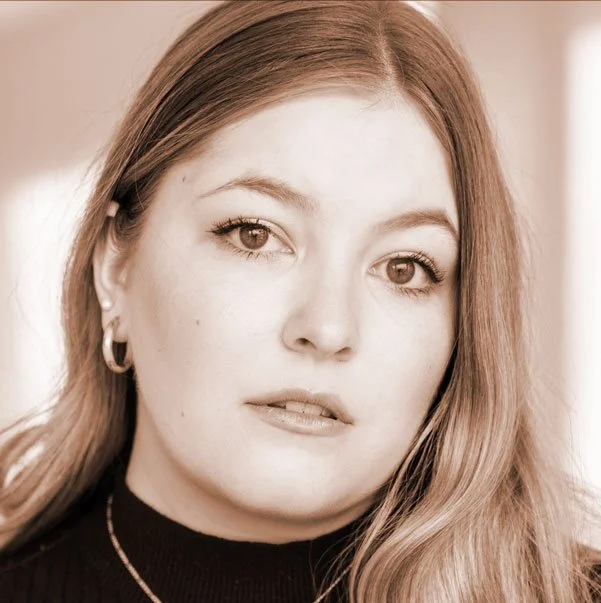
Paige Calvert :
Iris, Juno’s Servant
Bryce Zimmerman’s 2024–2026 seasons feature significant roles and solo debuts, including Nerone in Monteverdi's L'incoronazione di Poppea with Chicago Summer Opera and Alto Soloist in Buxtehude's Membra Jesu Nostri with Jacobs Concentus. His current season also includes Vivaldi's Gloria at Redeemer Lutheran Church in South Holland, Illinois, Handel's Messiah Sing-Along with the Urbana Bach Society, and Bach's Cantata BWV 174 with the Bloomington Bach Cantata Project. Recent highlights include Handel's Dixit Dominus with the Toronto Consort, Bach Cantatas BWV 100 and BWV 42 with the Bloomington Bach Cantata Project, Alto Soloist in Handel's Messiah with the Indiana University Symphony Orchestra, and the role of Cupid in John Blow's Venus and Adonis with the Baltimore Baroque Band. As a Vocal Fellow at the Charlotte Bach Institute, he appeared as soloist in Handel's Chandos Anthem No. 7 and Bach's BWV 18.
A graduate of the Peabody Institute of the Johns Hopkins University, where he studied with Ah Young Hong, Mr. Zimmerman subsequently pursued studies at the University of Toronto under Daniel Taylor and Jean MacPhail. He is currently completing a Master of Music in Historical Performance at the Indiana University Jacobs School of Music under the tutelage of Thomas Cooley. His artistry has been further shaped through master classes with early music luminaries Dame Emma Kirkby, Michael Chance, Lynne Dawson, Reginald Mobley, and Denyce Graves.
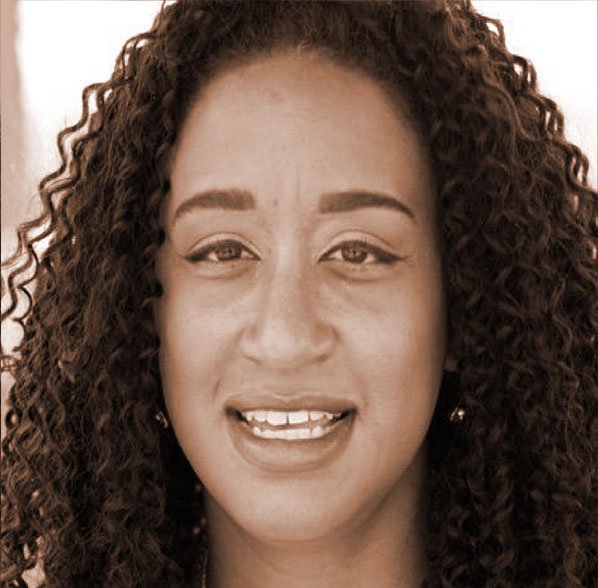
Alesia Wall :
Cupid, God of Love
Alesia Wall is a Speech Language Pathologist and a Singer, with a passion for both professions. She trained in voice at Northwestern University with Kimberly Hubert, under the direction of Kathleen Kaun, while pursuing her undergraduate degree in Speech Language Pathology. After finishing graduate school for speech language pathology, and practicing in that field for years, she began to incorporate music back into her life. She found her way to voice teacher Jina Varis in Glenview, Illinois; and then to Tracy Koch’s studio in Bloomington, Illinois. She has performed as a soloist and member of the soprano section for Park Ridge Chorale in Park Ridge, Illinois. She has been a member of the Chicago Master Singers since 2019. She has performed as a member of the ensemble in several Gilbert and Sullivan operettas presented by the Savoyaires in Evanston, Illinois including: The Mikado, The Grand Duke, H.M.S. Pinafore, Thespis, Pirates of Penzance, Ruddigore, and Yeoman of the Guard. In her 2021 debut with MIOpera, she performed the role of Berta in Rossini’s Il Barbiere di Siviglia. In her second MiOpera production, she performed again as a “Berta,” for the Sound of Music in 2022. In the 2023 season she returned to The Savoyaires as one of the Contadine in The Gondoliers , and MIOpera for Pirates of Penzance as one of General Stanley’s daughters. This year she debuted with the Highland Park (Il.) Players in the ensemble for Ragtime. Other roles include Donna Elvira in Don Giovanni, Contessa in Le Nozze di Figaro, and 1st Witch in Dido and Aeneas. Ms. Wall is grateful to God for the gift of song; and to her husband and two daughters for their support, and encouragement for every performance.
Semele Program Notes
by BACH Music Director Sarah Riskind
Handel’s Semele: The History
On February 10, 1744, George Frideric Handel’s musical drama Semele was first performed at the Covent Garden theatre in London. Though Handel chose to present it “after the manner of an oratorio,” the sensual plot prompted an outcry from scandalized audiences.
In the early 1740s, Handel was deeply engaged with his Lenten oratorios at Covent Garden, a tradition that had begun with Alexander’s Feast in 1736 and continued throughout his life. Semele’s inclusion in this series led audiences to expect a pious Biblical story, rather than a libretto full of sexual innuendo, affairs, and jealousy. Though it was unstaged, many found it far from respectable; in fact, writer Charles Jennens (librettist of Messiah) expressed disgust at the “bawdy opera.” Supporters of the rival Middlesex Opera Company condemned the use of English instead of Italian and resented that Handel would not write for them. After only six performances in 1744, Semele was set aside until its revival in the 20th century, when it was finally performed with staging in 1925.
Based on a story from Ovid’s Metamorphoses (8 CE), the libretto of Semele was written by prominent Restoration period playwright William Congreve (1670-1729); Congreve notably penned the phrase “Hell hath no fury like a woman scorned.” Congreve’s Semele from 1705-6 was set by John Eccles at the time, but it was never performed until the 20th century due to a decline in audience interest. The text was adapted for Handel’s use, and he composed the musical drama in only one month in the summer of 1743.
Handel’s Semele: The Music
Beyond the incredible beauty of the arias, several facets of this composition are worth particular mention: the choruses, the borrowings, and the popular dance forms. In selecting an opera for this BACH/MIOpera collaboration, we sought a work with robust operatic roles and rich choral material. Semele allows the chorus to embody a variety of characters, from Priests and Augurs to Loves and Zephyrs and then Nymphs, Swains, and Attendants. Handel gives them rousing fugues like “And to that pitch th’eternal accents raise,” wrathful cries in “Avert these omens,” horrified reactions in “Oh terror,” and carefree dances as in “Endless pleasure, endless love.”
It was common practice for Handel to reuse material from his own earlier works, as well as “borrowing” musical ideas from other composers. In Semele, scholars have noticed connections to Handel’s Giulio Cesare in Egitto and Fra pensieri qual pensiero, Alessandro Scarlatti’s Il Pompeo, Giovanni Porta’s Numitore, and miscellaneous works by Reinhard Keiser and Georg Philipp Telemann. While these composers had a range of responses to Handel’s heavy use of borrowing, our modern-day views on intellectual property were not common in 18th-century Europe. Handel’s notoriously fast composition process for Messiah (even faster than Semele) was certainly aided by his reliance on copy/paste!
Semele incorporates a wide range of Baroque rhythmic patterns; in many cases, Handel uses popular dance and musical forms to connect with the 18th-century audiences and therefore strengthen the emotional impact. The chorus “Now Love that everlasting boy” is set in a triple meter hornpipe, an energetic dance that was originally associated with maritime culture. “Endless pleasure, endless love” employs a gavotte rhythm in duple meter with a two-beat pickup, referencing the courtly dance that originated in France. Semele’s aria “Thus let my thanks be paid” is a 12/8 siciliana, a pastoral song form from Sicily with frequent dotted rhythms.
We are sharing Handel’s orchestration in a chamber format this weekend, in order to prioritize and highlight Stage Director Tracy Koch’s work with our fantastic MIOpera soloists. This production has allowed us to showcase the strengths of our respective organizations and share an artistic result that would not otherwise have been possible. On behalf of the Baroque Artists of Champaign-Urbana, I would like to extend my heartfelt thanks to Tracy Koch and all involved in MIOpera for their extensive hard work and collaborative spirit.
Sarah Riskind, BACH Music Director
October 2026